
How Long Do Car Window Repairs Take?
Car window repairs can vary in duration depending on several factors. Knowing what influences the repair time can help car owners better plan and manage their schedules. This article provides a comprehensive overview of the aspects that determine how long a car window repair might take. In today's fast-paced world, understanding the time commitment for car repairs is essential. The complexity of the repair and the type of vehicle can significantly impact how long the process will take. So, being informed can save both time and money.
With advancements in repair techniques and materials, many car window repairs can now be completed more efficiently than ever before. However, various factors such as damage severity and the method of repair chosen play crucial roles. This article will explore these factors in detail, offering valuable insights to car owners. By examining the types of damage, the techniques used, and the external influences that dictate the clock, drivers can approach the service center with realistic expectations and complete peace of mind.
Assessing the Damage Severity
The extent and nature of the visible damage represent the most critical starting points for determining the timeline. When a vehicle suffers from small chips or localized cracks, the process is relatively straightforward. Technicians can focus directly on the isolated area, using precise tools to clear out debris and structural blockages before reinforcing the structural integrity of the pane. Because the original glass remains entirely intact within the frame of the vehicle, the labor required is minimal, meaning owners can often wait in the lobby while the work is performed.
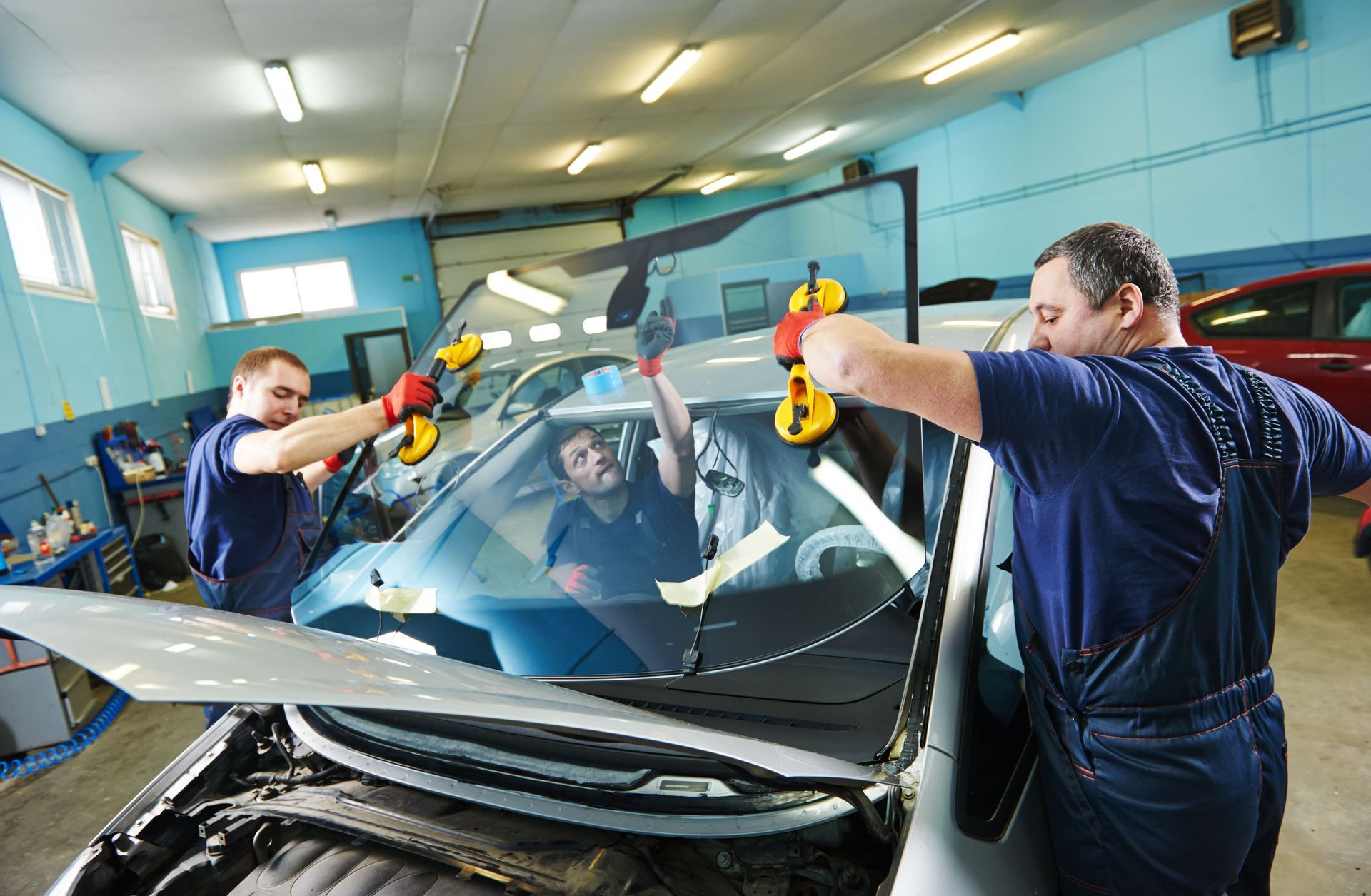
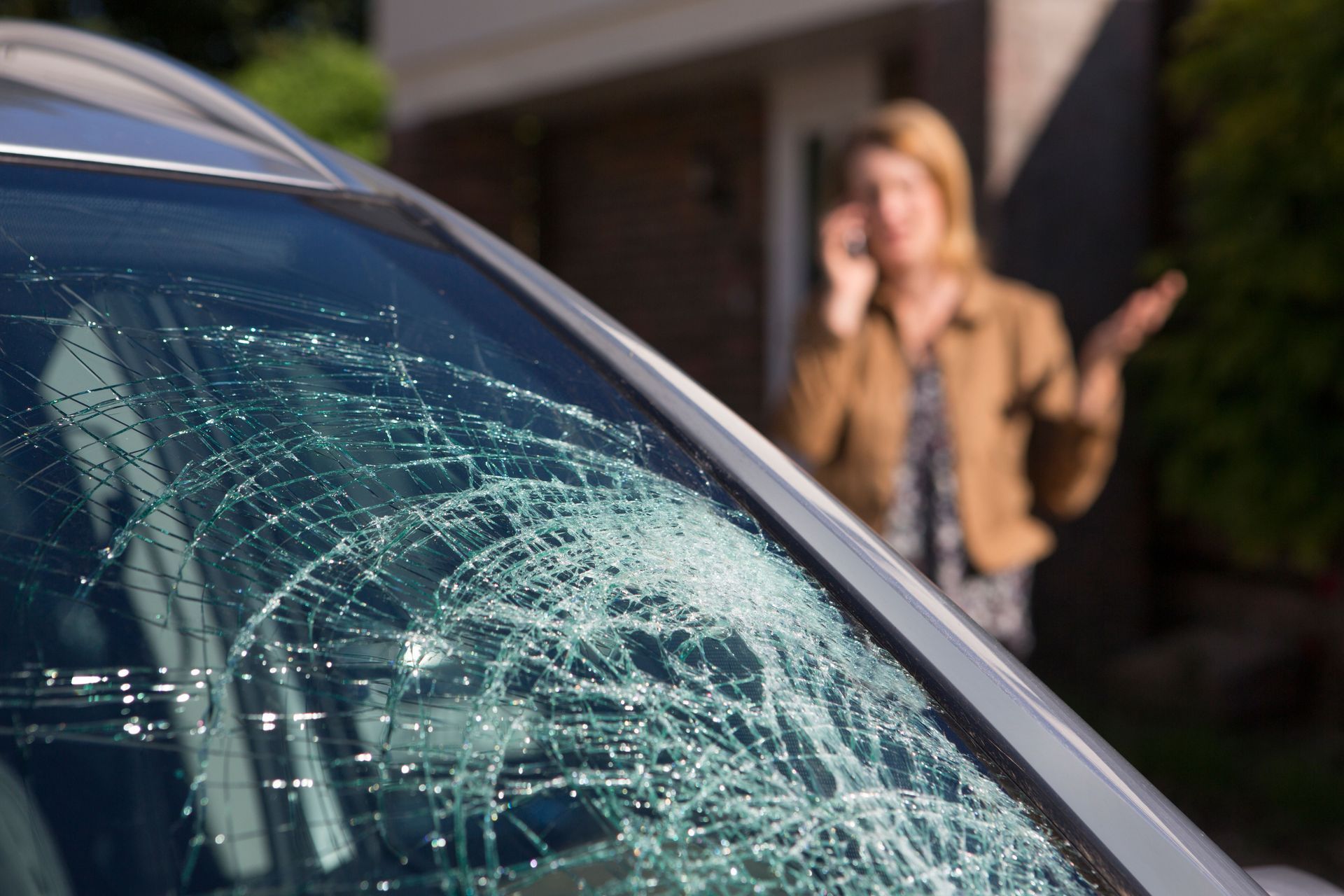
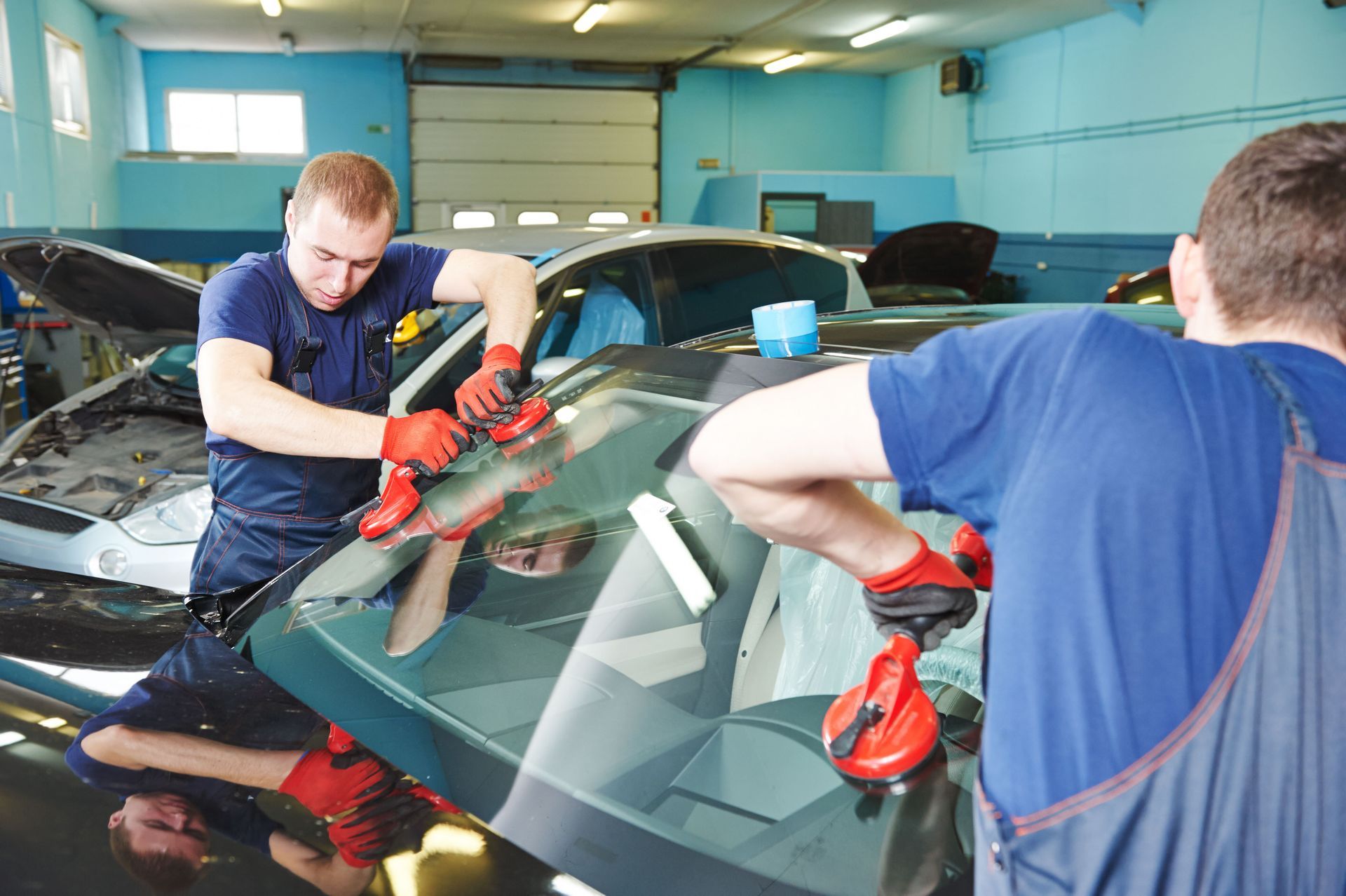
Conversely, when a window is completely shattered or a crack extends across the entire field of vision, the timeframe expands dramatically. Shattered glass introduces immediate safety hazards and requires a meticulous cleanup process to ensure no sharp shards remain inside the door panel or on the upholstery. A complete structural failure means the entire piece of glass must be extracted, the old adhesive scraped away, and a brand-new factory-spec window aligned and bonded. This multi-stage process requires significant patience, as rushing the extraction or placement can lead to alignment errors, wind noise, or future water leakage.
Understanding the Underlying Mechanisms
When a window refuses to budge, the problem often lies deep within the door cavity rather than on the surface of the glass itself. The mechanical framework responsible for lifting and lowering the glass is known as the regulator system, which utilizes a complex network of cables, gears, and tracks. Diagnosing a faulty regulator requires the technician to carefully unclip and remove the interior door panel without damaging the delicate plastic fasteners, electronic wiring harnesses, or upholstery. Once inside, they must assess whether a cable has snapped, a track has bent, or the entire physical assembly needs to be unbolted and replaced.
Equally critical is the electrical window motor that powers this entire mechanical movement. When a motor burns out or suffers from an electrical short, the diagnostic phase involves testing the power supply, physical switches, and fuses to isolate the exact point of failure. If the issue is a loose connection, the repair might proceed rapidly, but swapping out an old motor for a new one takes concentrated physical effort. Because every vehicle make and model features a unique internal door architecture, technicians specializing in car window repairs must navigate varied spaces, which naturally introduces variance into how quickly these intricate mechanical overhauls can be executed.
Utilizing Specialized Repair Methods
The specific techniques and technical equipment deployed by modern service centers are engineered to optimize both safety and speed. For minor physical blemishes, professional glass restoration revolves around the careful application of advanced liquid resins. The technician uses vacuum injectors to draw out trapped air pockets from the damage site and pump in a clear, durable liquid compound that matches the optical properties of the glass. Once the void is completely filled, a specialized ultraviolet light lamp is positioned over the area to rapidly cure and harden the compound, restoring structural strength in a compressed timeframe.
For more extensive mechanical or glass overhauls, the process demands a much wider array of specialized tools and structural materials. When executing a full replacement, technicians must apply industrial-strength urethane adhesives that require a specific chemical curing period before the vehicle can be safely driven. Furthermore, after the glass is bonded or the internal motor is swapped, a comprehensive weatherproofing process must be completed using tailored rubber seals and silicone barriers. Skipping or rushing these final steps can cause immediate system failures, meaning that advanced equipment and thorough sealing protocols are non-negotiable components of high-quality car window repairs.
Evaluating Vehicle and Part Availability
The specific make and model of the automobile undergoing service will dictate the overall speed of the logistical workflow. Common passenger sedans and popular sports utility vehicles enjoy a massive logistical advantage, as local service centers and regional warehouses routinely keep their specific glass geometries and electronic regulators in stock. When components are sitting on a shelf in the back room, the technician can pull the items immediately and begin working on the automobile without any logistical downtime.
On the other hand, luxury vehicles, vintage models, and rare imports frequently introduce unexpected delays into the production line. These automobiles often require highly specific acoustic glass, specialized tinting, or proprietary electronic motors that are not kept in local inventories. Sourcing these rare components requires custom orders from manufacturing hubs or international distributors, which can add days of shipping transit to the project timeline. Even the physical assembly of a premium vehicle can be more complex, requiring additional hours of careful labor to disassemble the dense insulation and advanced electronic modules embedded within the doors.
Projecting Standard Professional Timelines
When considering standard time frames, small stone chips and minor surface cracks are universally recognized as quick-service tasks. Most established service centers can completely finish these minor resin injections in less than an hour, allowing drivers to book a slot during a lunch break or early morning window. Repair shops often have systems in place to expedite these minor repairs, offering convenience through quick-service or walk-in options. Additionally, with industry growth valued at around $7 billion just a few years ago, according to IBISWorld, such services reflect the importance of efficiency in customer satisfaction.
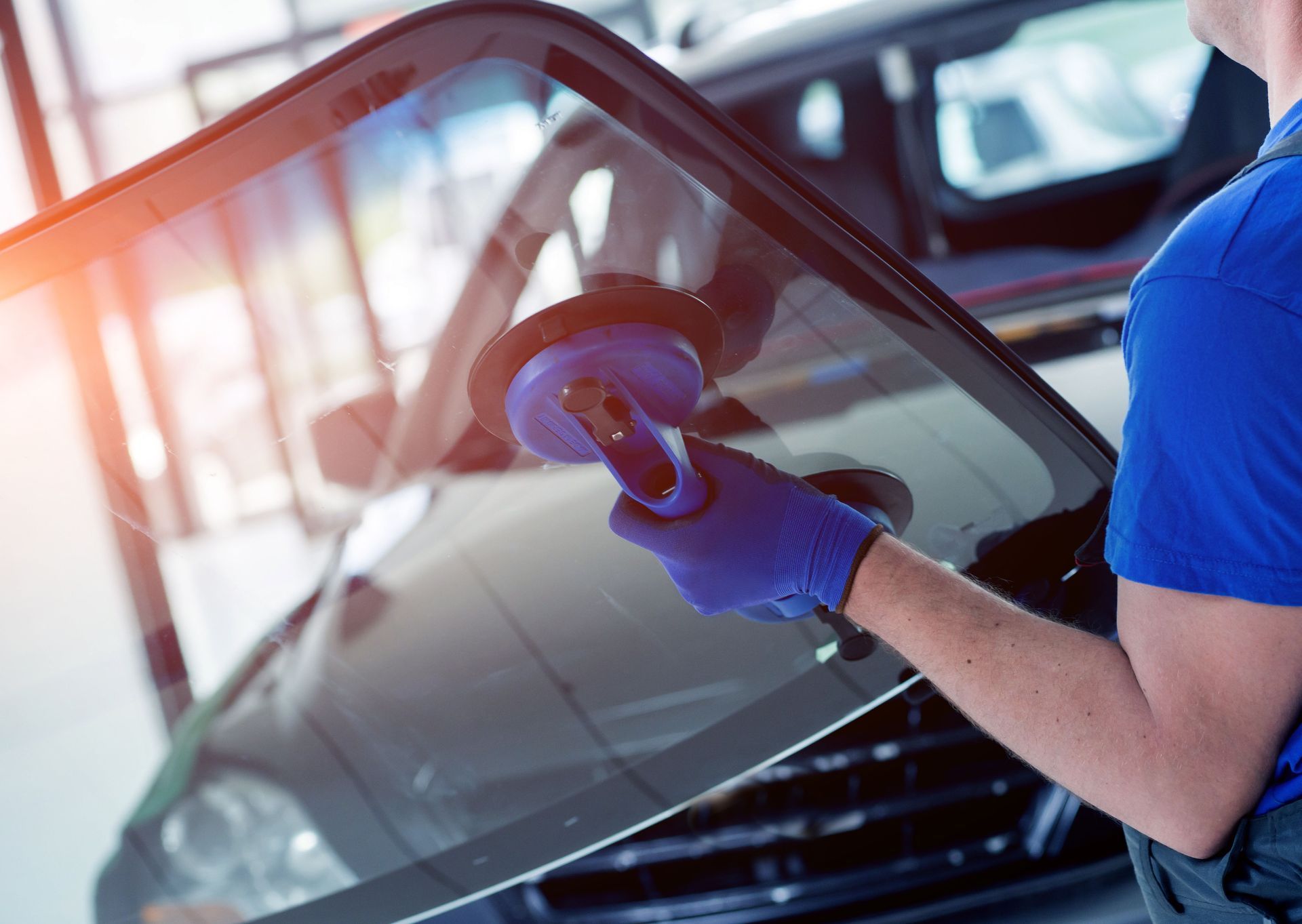
When the damage crosses the threshold into extensive structural compromise, the timeline shifts from minutes to hours. A full windshield or side glass replacement typically requires a physical installation window of two to three hours, which is immediately followed by a mandatory safe drive-away time. This waiting period allows the structural urethane bonding agents to cure sufficiently so that the glass can withstand the immense physical pressure of an airbag deployment or a highway collision.
Navigating the timeline of vehicle maintenance does not have to be a guessing game when you understand the physical and logistical variables at play. From the minor resin fixes that take less than an hour to the extensive, multi-hour mechanical overhauls required for faulty regulators and shattered panels, the duration is always defined by the severity of the issue and the architecture of the vehicle.
Ignoring a small chip or a sluggish motor only allows environmental stressors and mechanical wear to worsen the damage, turning a rapid service appointment into a lengthy and costly replacement project down the road. Entrusting your vehicle to a team of dedicated professionals ensures that every seal is airtight, every motor is properly calibrated, and every safety standard is fully met. If you are currently dealing with a compromised view or a malfunctioning window mechanism, reach out to the specialists at Askren Glass today to schedule your professional car window repairs and get your vehicle safely back on the road.

Share On: