
Why Specialized Calibration is Essential During a Local Car Window Replacement
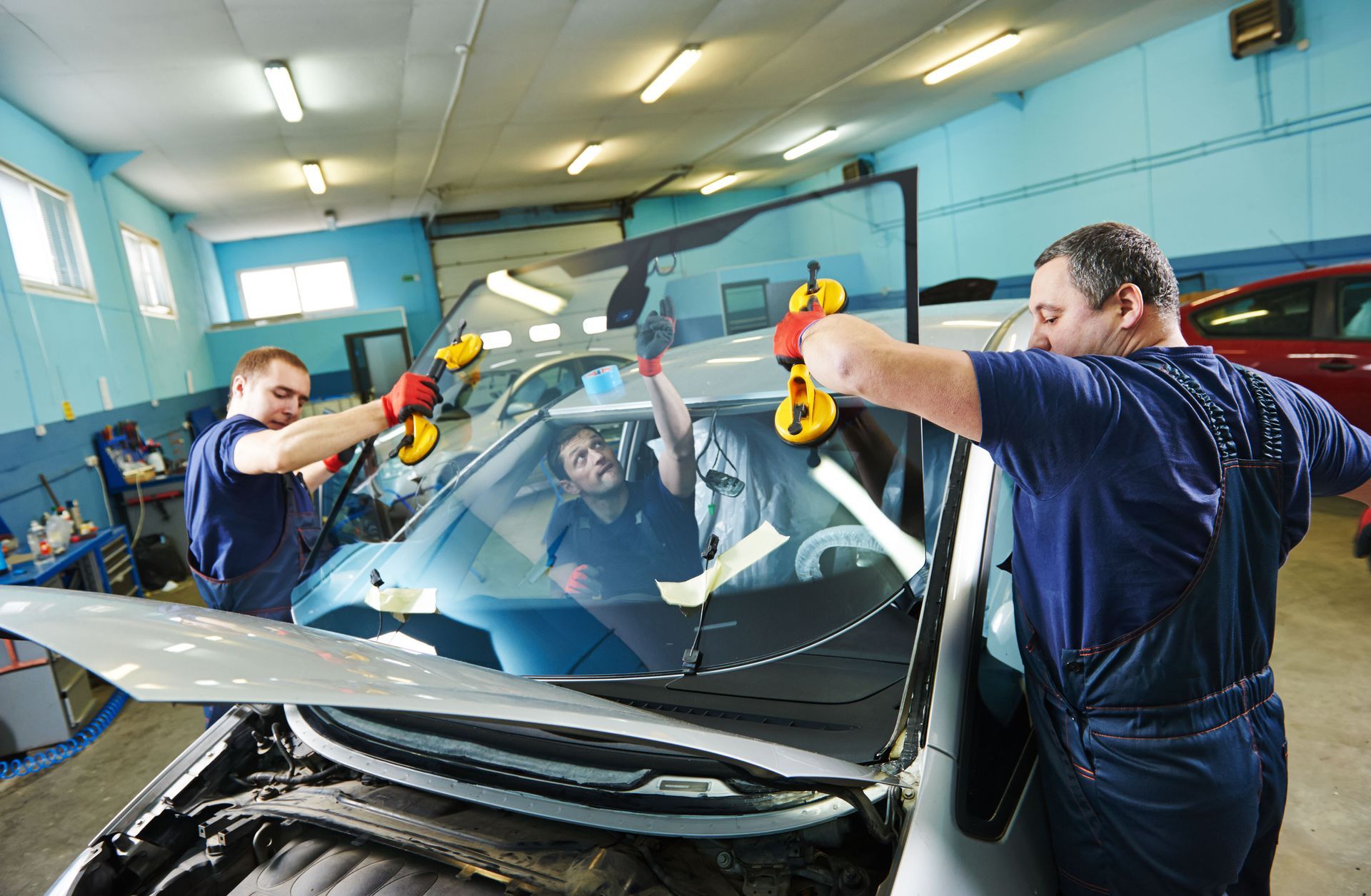
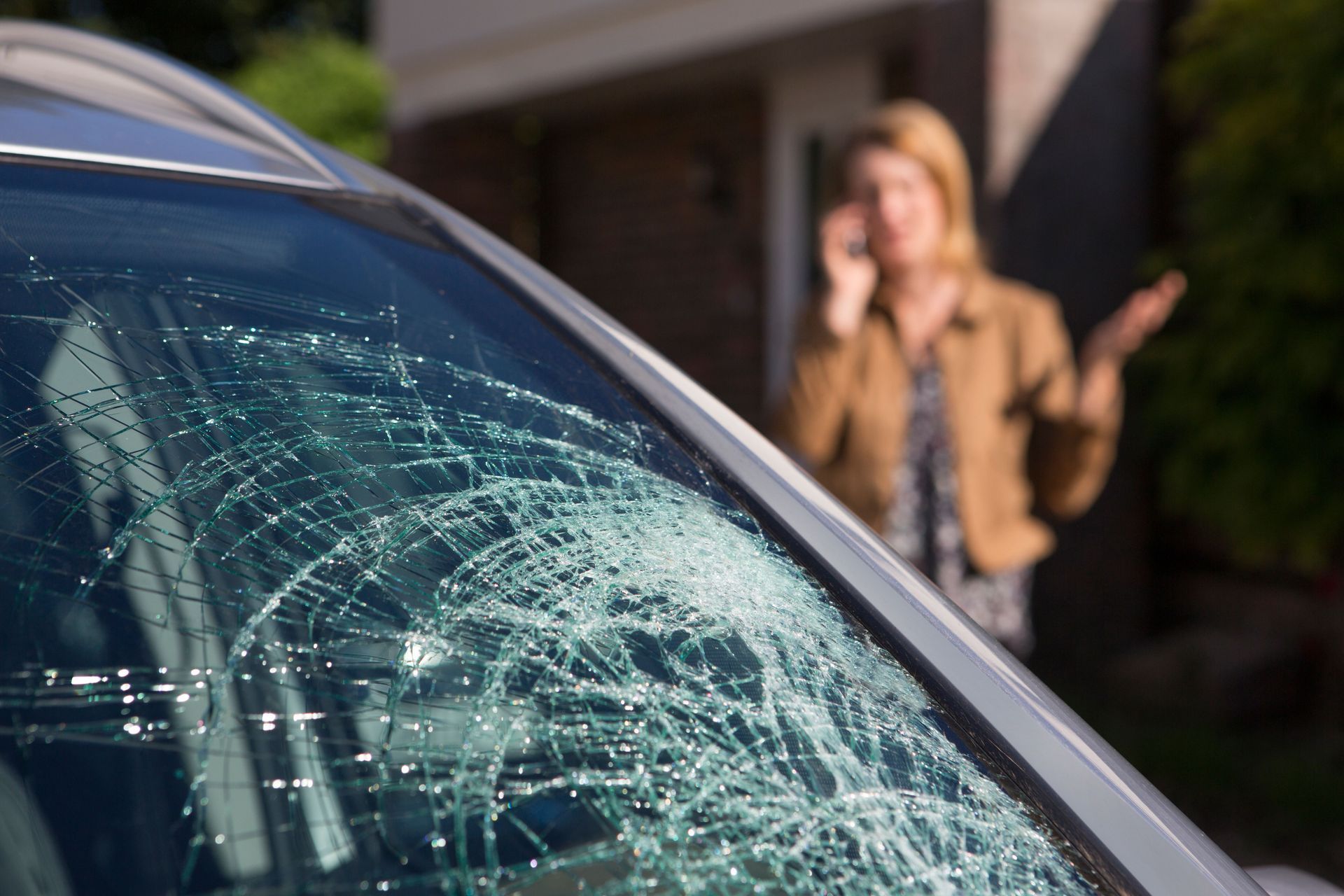
Modern vehicles rely on more than mechanical components to support safe and reliable driving. Many cars now include advanced driver assistance systems that use cameras and sensors to monitor road conditions, identify obstacles, and provide drivers with important alerts. When a windshield or another window is damaged, the replacement process may involve more than removing broken glass and installing a new pane. Certain vehicles require specialized calibration to help ensure that driver assistance technology functions as intended after the work is completed. A car window replacement may affect the positioning of a camera or sensor when those components are mounted on or near the glass. Understanding the connection between glass installation and vehicle technology can help drivers make informed decisions about repairs. Proper assessment, installation, and calibration are important considerations for vehicles equipped with these systems. Knowing when calibration may be necessary can help vehicle owners understand why specialized service matters.
Understanding Advanced Driver Assistance Systems
Advanced Driver Assistance Systems, commonly called ADAS, are designed to support drivers by providing information about their surroundings and certain driving conditions. Depending on the vehicle, these technologies may include lane departure warnings, automatic emergency braking, adaptive cruise control, and forward collision alerts. Cameras, radar units, and other sensors collect information that helps the systems identify nearby vehicles, lane markings, or potential hazards. Some of these components are positioned behind the windshield or attached near the glass. According to Forbes Advisor, approximately 70% to 80% of new vehicles sold in the United States are equipped with Advanced Driver Assistance Systems. As these technologies become more common, understanding their maintenance requirements becomes increasingly important for vehicle owners. Damage to glass near a camera or sensor may require technicians to assess whether calibration is necessary. Properly functioning equipment helps these systems provide information based on the conditions they are designed to monitor.
Recognizing the Connection Between Glass and Sensors
Vehicle glass can serve as more than a protective barrier between occupants and the outside environment. In some models, the windshield provides a mounting area or viewing path for cameras and other driver assistance components. The position, angle, and optical characteristics of the glass can influence how these devices observe the road. If a windshield is replaced, the camera's relationship to the glass may change even when the new pane appears to fit correctly. Small differences in positioning can matter when a system depends on accurately identifying lane markings or nearby objects. Technicians must therefore consider the vehicle's design when determining the appropriate car window replacement procedure. A professional assessment can help identify whether sensors, brackets, or cameras are affected by the work. Recognizing this relationship helps explain why some glass replacements require additional technical steps.
Identifying When Calibration May Be Necessary
Not every vehicle window replacement requires ADAS calibration, so the vehicle's specifications and the location of its technology must be considered. Windshield replacement is more likely to involve calibration when a forward-facing camera or related component is mounted to the glass. Certain repairs may also require calibration if a sensor is removed, repositioned, or disturbed during the process. The vehicle manufacturer typically provides procedures that indicate when calibration is required. Technicians can consult this information and assess the systems installed in the specific vehicle. Dashboard warnings may indicate a system issue, but the absence of a warning does not necessarily establish that calibration is unnecessary. Drivers should explain any recent glass damage and ask whether their vehicle has camera-based assistance features. Following the appropriate procedure can help ensure that relevant systems are checked after the replacement.
Comparing Static and Dynamic Calibration Methods
Calibration methods vary according to the vehicle manufacturer and the driver assistance technology involved. Static calibration is generally performed with the vehicle stationary and specialized targets or equipment positioned according to specified measurements. The technician follows prescribed instructions to help the camera or sensor recognize the reference points correctly. Dynamic calibration, in contrast, typically requires driving the vehicle under specific conditions so the system can complete its calibration process. Some vehicles require only one method, while others may require a combination of procedures. Factors such as the vehicle model, system design, and manufacturer instructions determine the appropriate approach. These procedures may require dedicated equipment, a controlled workspace, suitable road conditions, or specific diagnostic tools. Selecting the correct method is essential because calibration procedures are not interchangeable across all vehicles.
Maintaining Driver Assistance System Accuracy
ADAS features depend on information collected by cameras and sensors to support their intended functions. If a component is incorrectly positioned or improperly calibrated, the system may not interpret road conditions as expected. For example, a camera that is not aligned correctly may have difficulty identifying lane markings or the relative position of another vehicle. This does not mean that every calibration issue will cause a visible malfunction or warning. It does mean that vehicle owners should not assume a system is functioning correctly simply because the dashboard appears normal. Following manufacturer requirements helps technicians determine whether calibration and diagnostic checks are needed during car window replacement. Drivers should also pay attention to system alerts and consult a qualified professional if assistance features behave unexpectedly. Proper attention to these details supports the intended operation of the vehicle's technology.
Following Manufacturer-Specific Procedures
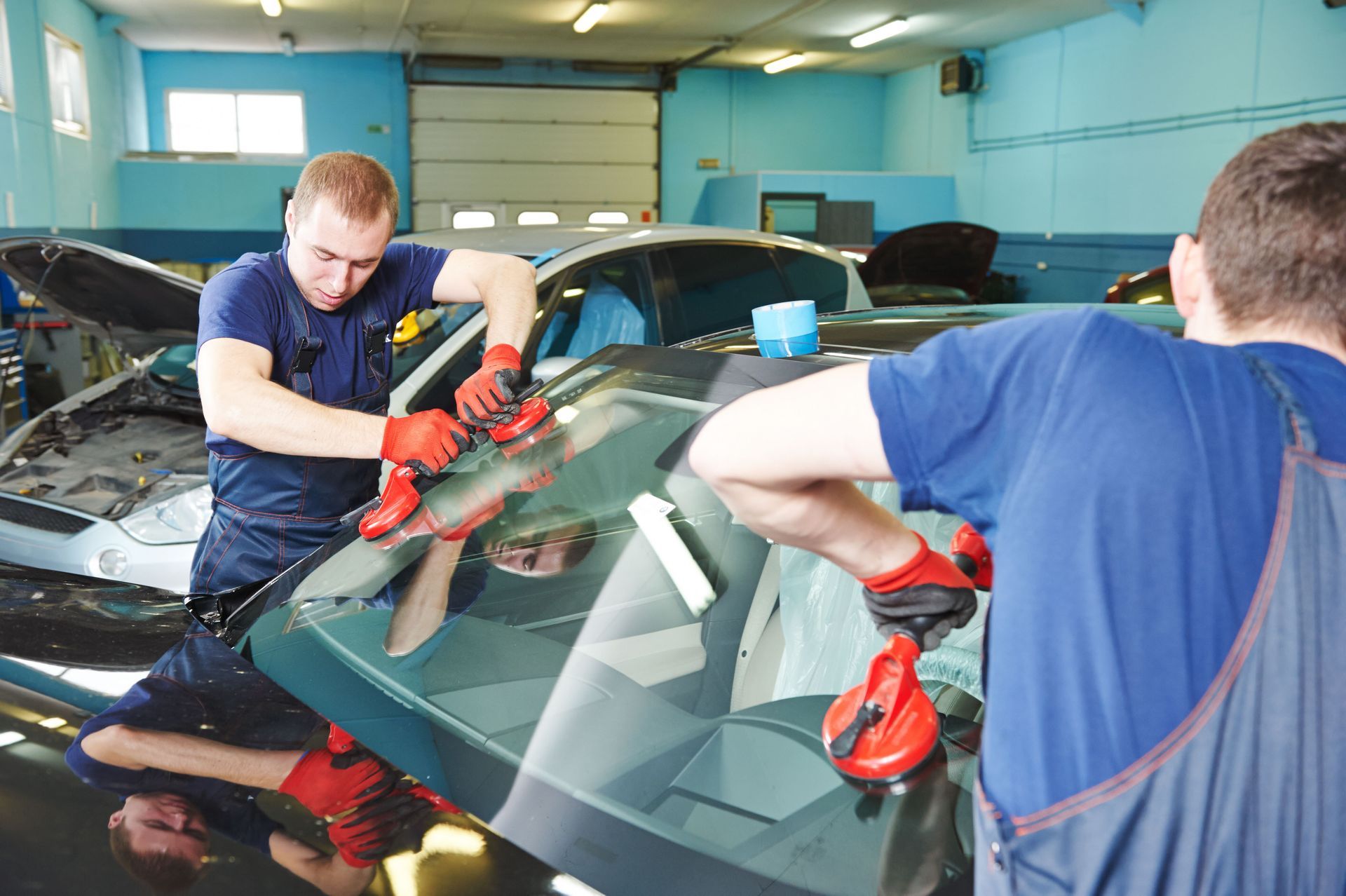
Each vehicle manufacturer may establish different requirements for glass replacement and ADAS calibration. These procedures can specify the correct glass type, mounting hardware, camera positioning, diagnostic checks, and calibration equipment. Using glass that does not meet the vehicle's specifications may affect fit, visibility, or compatibility with systems mounted near the windshield. Technicians may also need to confirm that the glass is installed correctly before beginning calibration. Skipping required steps can leave important checks incomplete, even if the physical replacement looks satisfactory. Vehicle identification information can help technicians determine the appropriate service procedure for a particular model. Following the manufacturer's instructions provides a consistent framework for completing the work properly.
Evaluating the Benefits of Professional Glass Service
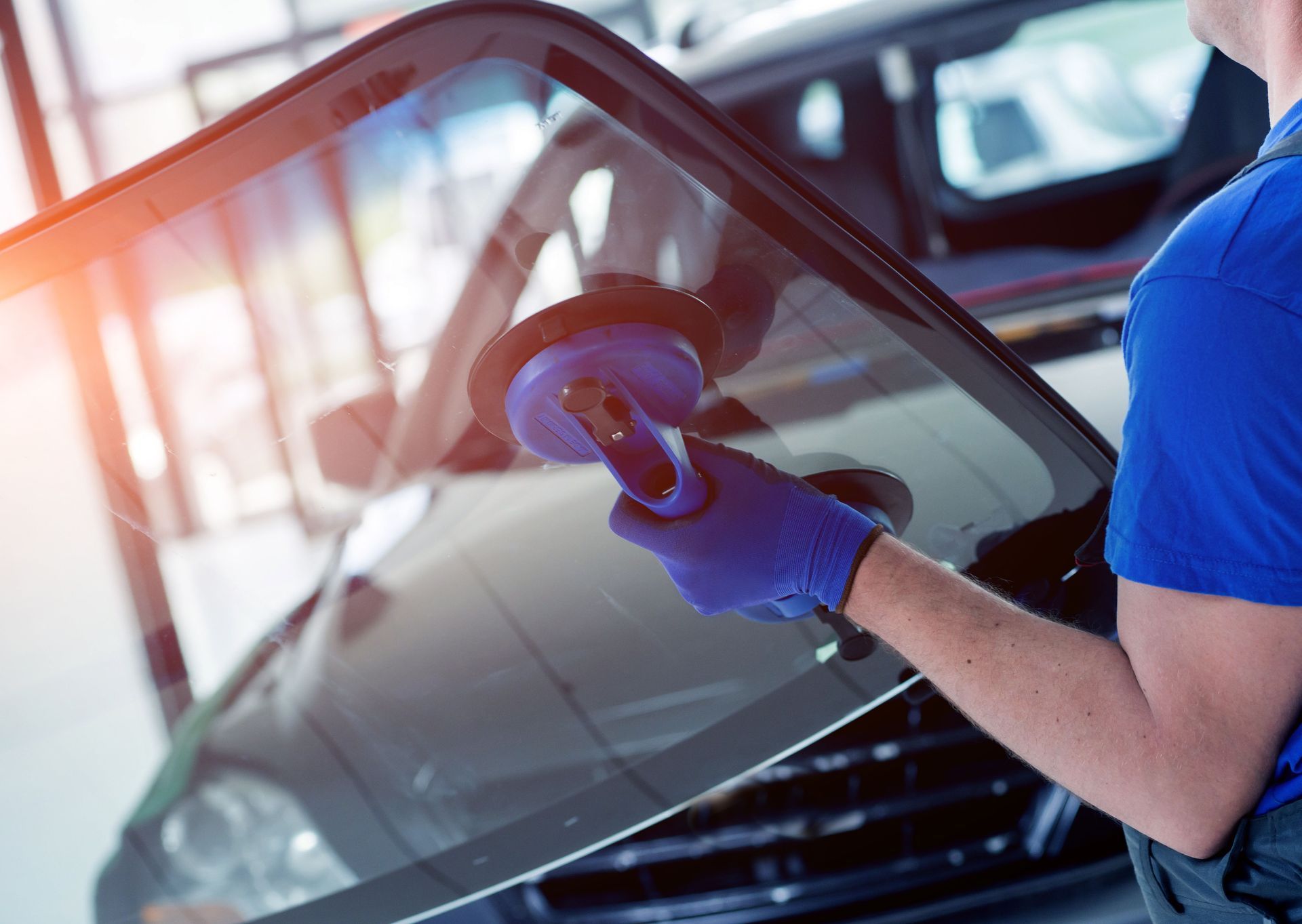
Professional glass service can help vehicle owners understand the requirements associated with replacing damaged windows. Technicians can evaluate the location of the damage, identify relevant vehicle features, and explain whether specialized procedures may be required. During car window replacement, the correct glass and installation process are important for maintaining proper fit and visibility. When ADAS components are involved, determining whether calibration is necessary becomes another important part of the assessment. Professional service can also help drivers understand what to expect regarding inspection, installation, and any additional technical steps. Vehicle owners should ask questions about calibration requirements before authorizing work so they understand the proposed process. Clear communication can help avoid confusion about which services are necessary for their particular vehicle. Choosing service that accounts for vehicle-specific requirements helps address both glass damage and related technology considerations.
Preparing for a Safe Return to Driving
After a glass replacement, vehicle owners should confirm that any required calibration and system checks have been completed. They can ask which driver assistance components were assessed and whether the manufacturer specifies any follow-up steps. If warning lights remain illuminated or assistance features behave differently, the vehicle should be evaluated by a qualified professional. Drivers should not attempt to test safety features in traffic or rely on them as a substitute for attentive driving. Even when advanced technology is available, the driver remains responsible for observing road conditions and controlling the vehicle. Keeping service documentation can also help owners maintain a record of completed replacement and calibration work. Any instructions provided by the technician should be followed before normal use resumes. Taking these steps can help drivers better understand the condition of their vehicle after service.
Replacing damaged vehicle glass can involve several considerations, especially when a vehicle uses cameras or sensors connected to advanced driver assistance technology. The correct glass, careful installation, and any required calibration all contribute to completing the work according to the vehicle's specifications. Not every replacement requires calibration, which is why a vehicle-specific assessment is important. Understanding these requirements helps drivers ask informed questions and recognize the value of specialized service. Askren Glass can help vehicle owners evaluate their glass damage and understand the appropriate replacement process for their vehicles. Contact us to discuss your car window replacement needs and determine whether your vehicle requires calibration after installation.


Share On: